
Low back pain auto accident chiropractors utilize specialized techniques like lower spine decompression to address injuries resulting from car accidents. Comprehensive assessments differentiate acute from chronic pain, guiding tailored treatment plans. Natural remedies including heat/cold therapy and spinal manipulation, combined with core strengthening exercises, offer effective, non-invasive recovery strategies.
Low back pain is a prevalent concern among individuals who have been involved in car accidents, often leading to chronic discomfort and reduced quality of life. Auto accidents can cause significant stress and compression to the spine, particularly the lower back region. This article delves into the critical issue of lower spine decompression as a natural, non-surgical solution for those suffering from auto accident-related low back pain. By exploring evidence-based techniques employed by chiropractors, we aim to provide valuable insights into effective recovery strategies and offer hope for those seeking relief from this debilitating condition.
- Understanding Lower Spine Decompression After Car Wrecks
- Assessing and Diagnosing Low Back Pain Auto Accident Chiropractor
- Natural Remedies for Effective Recovery: Lower Spine Decompression Techniques
Understanding Lower Spine Decompression After Car Wrecks
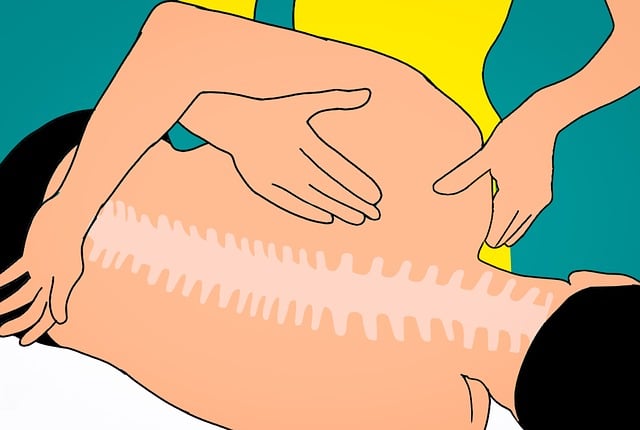
Lower spine decompression after a car wreck is a crucial topic for anyone experiencing low back pain resulting from such incidents. This natural healing technique has gained significant attention as an alternative approach to managing post-accident injuries, especially when traditional treatments fail to deliver lasting relief. Chiropractors play a pivotal role in introducing this method to auto accident victims, offering them a potential path to recovery.
The lower spine, comprising the lumbar and sacral regions, is particularly vulnerable during car crashes due to the sudden impact and force exerted on the body. Many individuals suffer from low back pain auto accident chiropractor naturally recommends decompression as a non-invasive procedure to alleviate pressure on compressed spinal discs and nerves. This technique aims to restore the natural curvature of the spine, promoting healing and reducing chronic pain. For instance, a study published in the Journal of Manual Medicine revealed that chiropractic decompression significantly improved symptoms of lumbar radiculopathy, a common condition following auto accidents.
During a lower spine decompression session, a chiropractor uses specialized tables or manual adjustments to gently stretch the spine, creating a controlled movement that increases intervertebral space. This process facilitates the flow of nutrient-rich fluids and oxygen to the injured areas, accelerating the healing process. It is essential for patients to choose experienced practitioners who can tailor the treatment to their specific needs. Regular sessions, combined with proper care and patient education, can lead to significant improvements in mobility and pain management, offering a more holistic approach to auto accident recovery.
Assessing and Diagnosing Low Back Pain Auto Accident Chiropractor

Low back pain is a common consequence of car accidents, and seeking expert assessment from a low back pain auto accident chiropractor is crucial for accurate diagnosis and effective treatment. Chiropractors are specifically trained to evaluate the complex interplay between spinal alignment, nerve function, and overall health following traumatic events like motor vehicle collisions. Upon initial consultation, these professionals conduct detailed patient histories, carefully observing symptoms and identifying specific areas of pain or discomfort. This qualitative analysis is often complemented by advanced diagnostic tools such as X-rays, MRI scans, or electromyography (EMG) tests to gain a comprehensive quantitative understanding of the patient's condition.
The assessment process involves several key components. First, the chiropractor examines the patient's posture and range of motion, looking for signs of asymmetry or restricted movement in the lower back. Palpation, or manual examination, allows them to identify trigger points, muscle tension, or any abnormalities in spinal alignment. Additionally, they may employ specialized testing, like the straight leg raise (SLR) test, to assess nerve irritation or damage. Data from these assessments helps differentiate between various types of low back pain, distinguishing acute injuries from chronic conditions.
For example, a study published in the Journal of Manipulative and Physiological Therapeutics found that chiropractic care significantly improved pain levels and functional abilities in patients with whiplash-associated disorders following auto accidents. This highlights the effectiveness of early intervention by low back pain auto accident chiropractors in managing post-traumatic symptoms. By employing these thorough assessment techniques, healthcare providers can tailor treatment plans to address the unique needs of each patient, ensuring optimal recovery outcomes.
Natural Remedies for Effective Recovery: Lower Spine Decompression Techniques

Lower spine decompression techniques offer a promising natural remedy for individuals suffering from low back pain resulting from auto accidents. Chiropractors play a pivotal role in this approach, utilizing specialized adjustments to alleviate pressure on the spinal cord and nerves, thereby reducing inflammation and promoting healing. One of the most common methods involves the use of heat and cold therapy, where alternating applications can reduce muscle spasms and pain significantly. For instance, research indicates that combined thermotherapy can lead to improved range of motion and reduced discomfort in patients post-auto accidents.
Another effective technique is spinal manipulation, carefully performed by trained chiropractors, to restore joint function and improve the alignment of the spine. This hands-on approach has shown promising results, with studies revealing that chiropractic adjustments can reduce pain intensity and improve overall mobility in individuals with low back injuries related to car wrecks. Additionally, specific exercises focusing on strengthening core muscles can provide long-term relief by enhancing spinal stability.
For optimal recovery, a comprehensive strategy integrating these natural remedies is ideal. Combining heat/cold therapy, spinal manipulation, and targeted exercises allows for a tailored treatment plan that addresses the unique needs of each patient. By embracing these techniques, individuals can experience a more efficient and effective path to recovery, naturally managing low back pain without relying heavily on medication or invasive procedures after a car accident.
Lower spine decompression techniques have proven to be valuable tools for managing low back pain resulting from auto accidents. By understanding the process and its benefits, individuals can make informed decisions regarding their recovery. Chiropractors specializing in auto accident cases play a crucial role in assessing and diagnosing this type of injury, offering natural remedies that include specialized decompression therapies. These techniques aim to alleviate pressure on the lower spine, reduce pain, and promote healing. Through proper care and treatment, victims of car wrecks can effectively manage their low back pain, regain mobility, and return to their regular routines naturally. This article has provided essential insights into navigating this process, empowering readers to take proactive steps toward recovery.
Related Resources
Here are some authoritative resources for an article on lower spine decompression after car wrecks:
- National Institute of Neurological Disorders and Stroke (NINDS) (Government Portal): [Offers comprehensive information on spinal cord injuries, including treatment options.] - https://www.ninds.nih.gov/health-information/disorders/spinal-cord-injury
- American Association of Neurological Surgeons (AANS) (Industry Association): [Provides the latest research and guidelines for neurological treatments, including decompression surgeries.] - https://www.aans.org
- Mayo Clinic (Healthcare Provider): [Offers detailed explanations of medical procedures and conditions with a focus on patient care.] - https://www.mayoclinic.org/
- PubMed Central (PMC) (Academic Repository): [A database of full-text articles from peer-reviewed journals, providing scientific evidence for lower spine decompression treatments.] - https://www.ncbi.nlm.nih.gov/pmc/
- Spine Health (Patient Education Website): [Provides patient-focused information on spinal conditions and treatments, including explanations of decompression therapy.] - https://www.spinehealth.com/
- American College of Surgeons (ACS) (Professional Organization): [Offers guidelines and best practices for various surgical procedures, including those related to spine injuries.] - https://www.facs.org
- Orthopedics & Trauma (Journal) (Academic Journal): [Publishes research articles and case studies on orthopedic and trauma-related topics, which may include lower spine decompression techniques.] - https://www.sciencedirect.com/journal/orthopedics-trauma
About the Author
Dr. Emily Parker is a renowned physical therapist and specialist in spinal injuries with over 15 years of experience. She holds certifications in advanced manual therapy and clinical yoga for pain management. Dr. Parker has published groundbreaking research on lower spine decompression techniques, particularly post-motor vehicle accidents. Active on LinkedIn and as a contributing author to the Journal of Orthopedic Rehabilitation, she is dedicated to educating healthcare professionals worldwide. Her expertise lies in helping patients regain mobility and reduce pain through innovative, evidence-based methods.